Roses only bloom from well-tended roots. If you’ve ever seen a rose blooming in grass, you’ve witnessed something a bit special. These are the strongest type.
I want to put an example of grassroots rugby life on here, for those who may not have any experience in that field (pun intended 😂)
An age grade, grassroots coach will, on paper, be required to lead weekly training and attend weekend matches. Training may be as short as 1 hour, matches may last between 60-80 mins depending on age and size of pitch.
Cushty. 3 hours tops. Nah.
Training starts at 6pm. Finish work at 5, race to the pitch for 5:30 as that’s when the girls start arriving. Pre training pitch inspections and equipment sorting In that half hour. 6-7 training. 7:15 finish (because they never want to stop) 7:45/8pm leave the club after safe dismissal of everyone, injury recording, pitch checks and equipment put away. Home for 8:30 (if you’re close by) for your dinner.
Multiply that evening by the number of teams you coach. Many coaches are in charge of multiple age groups who train on different nights. So that’s usually 5-8:30 two or three nights a week.
Down my way matches are on Sundays. Usually minis and boys in the mornings and girls in the afternoon. And for coaches that looked like this:
9:30am arrival at club, pitch checks, officials sort out, equipment, pitch markings. 10am players arrival, 10:30 KO. 11:30/45 matches finish, 12pm food sorting for home and away sides. Maybe grab your own sausage and chips if time.
Pitch and injury reports from morning on various apps.
Girls arrival at 1pm for 2pm KO. Repeat morning routine, new pitch markings, new officials etc.
2-3:30 match. 3:45-4:45 food sorting, grab anything left to eat. Reporting, safe dismissal, checks, lock up. Leave the club around 5pm, home for 5:30 if you’re lucky.
That’s every week. That’s what grassroots coaches voluntarily do because they love this sport and their players. Then we get into the 4 hour long committee meetings, the months long slog of trying order kit, the prep, the budget sign off, the ordering, the delays all to be managed. The social and emotional welfare of the players and families. The constant research and training courses. The out of pockets expenses. The travel. The worry and guilt that comes with being passion rich but time poor. The life of a grassroots coach is not easy, but it’s worth it.
You do not get a Meg Jones, a Marlie Packer or an Alex Matthews without grassroots coaches. Coaches who no one knows the names of, apart from their players and players families. Coaches who will never be on tv, or featured on podcasts. Probably because they’re too busy on the side of a stinking, churned up pitch, cheering on their girls who are losing 67-5 but giving it their all.
PLEASE know the value of grassroots rugby. You wouldn’t have any roses in bloom without it.





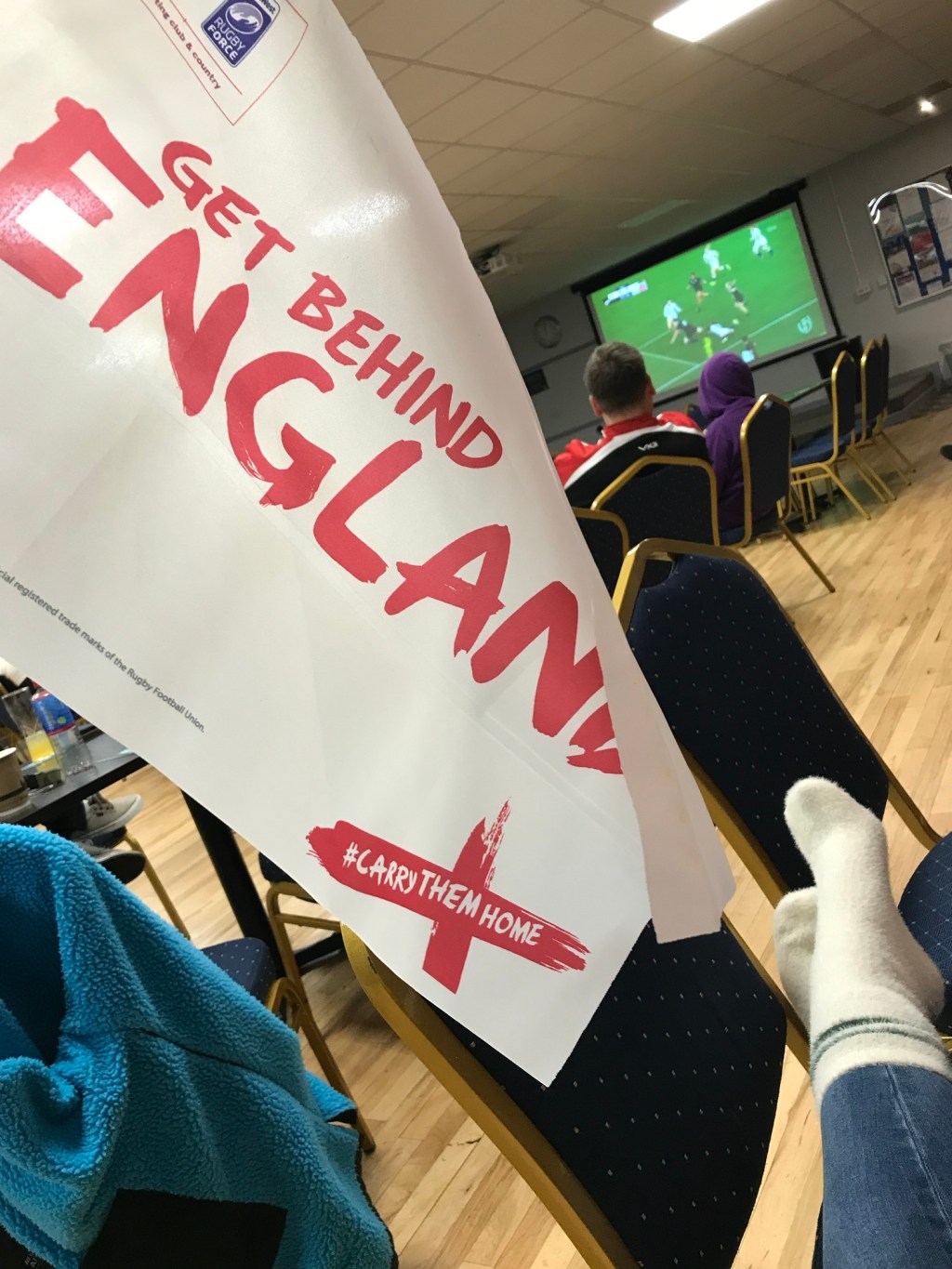




 Go With Her, Girls!